
Most people assume pedestrian accident liability is simple: if you were in a crosswalk, the driver is automatically at fault; if you weren’t, you are. Texas law is more nuanced than that. Liability depends on right-of-way rules, each party’s conduct leading up to the crash, and Texas’s comparative fault system — not a single bright-line rule. Understanding how fault actually gets determined matters if you’ve been hit as a pedestrian in Dallas, and it’s one of the first things a dallas personal injury attorney evaluates in these cases.
Why Pedestrian Accidents Are More Common — and More Severe — Than Many Realize
Dallas’s mix of dense downtown areas, wide suburban arterial roads, and inconsistent pedestrian infrastructure creates real risk. Unlike a collision between two vehicles, a pedestrian has essentially no protection, which is why pedestrian accidents disproportionately result in serious injury or death even at relatively low vehicle speeds.
Texas Right-of-Way Rules for Pedestrians
Texas Transportation Code establishes specific right-of-way rules, though they aren’t as absolute as people often assume:
- Marked crosswalks and intersections — drivers generally must yield to pedestrians crossing within a marked or unmarked crosswalk at an intersection
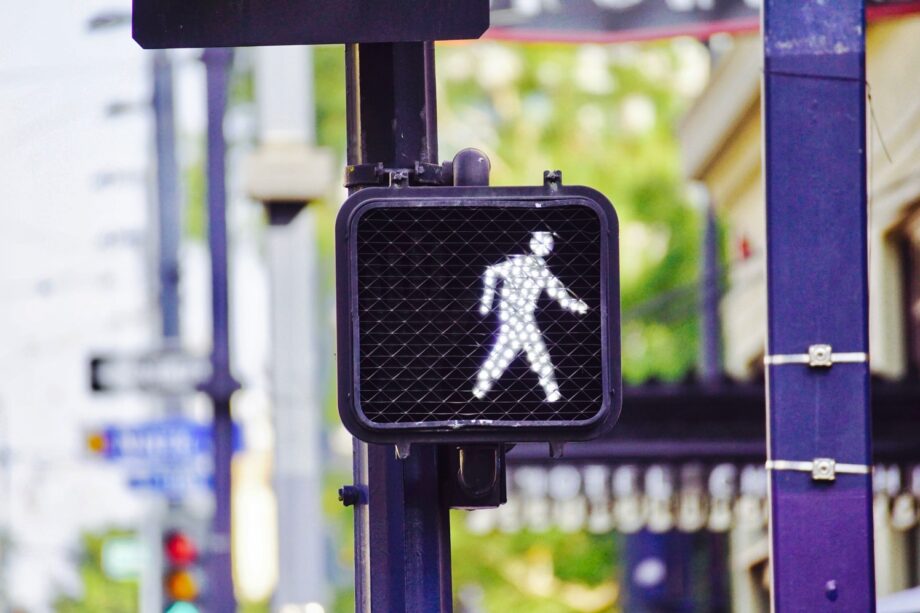
- Traffic signals — pedestrians are expected to obey pedestrian signals (walk/don’t walk indicators) where present
- Outside of a crosswalk — pedestrians crossing outside a marked crosswalk or intersection generally must yield to vehicles, though this doesn’t eliminate a driver’s general duty to exercise care and avoid a collision if reasonably possible
- Sidewalks — drivers crossing a sidewalk, such as when exiting a driveway or parking lot, must yield to pedestrians on the sidewalk
Who’s Liable? It Depends on More Than Right-of-Way
Even a pedestrian who technically didn’t have the right-of-way — jaywalking, crossing mid-block, or stepping out against a signal — doesn’t automatically bear full responsibility for a crash. Texas applies its standard modified comparative negligence rule (Texas Civil Practice and Remedies Code § 33.001) to pedestrian cases the same way it does to vehicle-on-vehicle crashes:
- If the pedestrian is found 50% or less at fault, they can still recover damages, reduced by their percentage of fault
- If the pedestrian is found more than 50% at fault, they recover nothing
This means liability in a pedestrian case is rarely all-or-nothing. A driver who was speeding, distracted, or failed to keep a proper lookout can still bear significant — sometimes majority — fault even in a case involving a pedestrian who wasn’t in a marked crosswalk.
Common Factors That Shift Liability Toward the Driver
- Speeding, especially in residential areas, school zones, or near marked crosswalks
- Distracted driving — phone use, navigation systems, or general inattention
- Failure to yield at marked crosswalks or intersections
- Running a red light or stop sign
- Backing up without checking for pedestrians, common in parking lots and driveways
- Driving under the influence
- Failure to accommodate reduced visibility — dawn, dusk, or nighttime conditions where a driver should have been exercising extra caution
Common Factors That Can Shift Some Liability Toward the Pedestrian
- Crossing mid-block outside any crosswalk or intersection
- Crossing against a “don’t walk” signal
- Stepping into traffic suddenly, without giving a driver reasonable opportunity to react
- Being impaired at the time of the crash
- Wearing dark clothing at night without reflective elements, in a case where visibility becomes a contested factor
None of these automatically bar recovery — they factor into the overall percentage split a jury or insurer assigns, which is exactly why thorough evidence matters in these cases.
Evidence That Matters in a Pedestrian Accident Case
- Traffic camera or nearby business surveillance footage, which is often the clearest evidence of what actually happened and needs to be requested quickly before it’s overwritten
- The police crash report, including contributing factor codes assigned to the driver
- Witness statements, particularly from anyone who saw the moments leading up to the crash
- Cell phone records, in cases where distracted driving is suspected
- Vehicle data, including any available speed or braking information from the vehicle’s systems
- Physical evidence — skid marks, point of impact, and debris field, which can help reconstruct speed and positioning
What Compensation Can Cover
Pedestrian accident injuries tend to be severe given the lack of protection compared to being inside a vehicle. Depending on the case, damages can include:
- Medical expenses, including emergency care, surgery, and long-term rehabilitation
- Lost wages and diminished future earning capacity, particularly significant in cases involving long recovery periods or permanent injury
- Pain and suffering
- Property damage, such as a damaged bicycle if the pedestrian was involved in a related incident
- Wrongful death damages, in fatal pedestrian accidents, pursued by eligible family members
What to Do After Being Hit as a Pedestrian
- Get medical attention immediately, even for injuries that seem minor at first
- Get the driver’s information and contact details of any witnesses, if possible
- Request that police respond and file a report
- Avoid making statements about fault at the scene, particularly to the other driver’s insurance company later
- Preserve any evidence you have, including photos taken at the scene
Talk to a Dallas Pedestrian Accident Lawyer
Because fault in pedestrian cases is rarely as clear-cut as right-of-way alone suggests, insurance companies often try to shift blame toward the pedestrian to minimize payout — especially in cases involving any technical right-of-way violation. If you’ve been hit as a pedestrian in the Dallas area, talk to a dallas pedestrian accident lawyer before accepting an insurer’s initial characterization of fault.
This article is for informational purposes and does not constitute legal advice. Every case is different — contact our office to discuss the specific facts of your accident.