
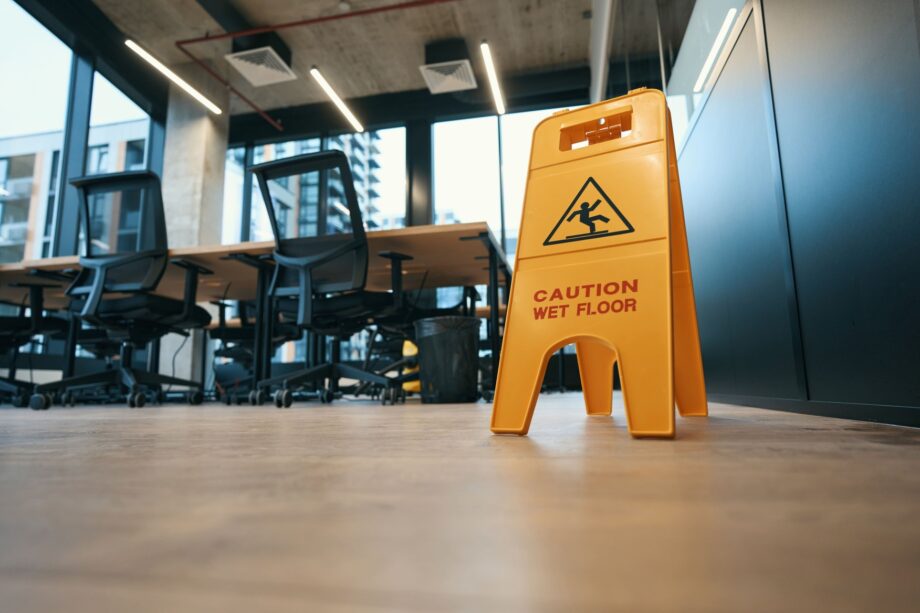
Premises liability covers injuries caused by an unsafe condition on someone else’s property — most commonly slip and fall accidents, but also inadequate security, falling objects, and other property-related hazards. Texas premises liability law is built around one central question: what did the property owner know, and when did they know it?
How Texas Classifies Visitors: Invitee, Licensee, and Trespasser
Under Texas law, the duty a property owner owes you depends on your legal status at the time of injury — this is the single most important framework in a Texas premises liability case:
Invitee. Someone who enters the property with the owner’s knowledge, for the mutual benefit of both parties — the clearest example is a customer in a store. Invitees receive the highest duty of care: the owner must warn of or fix any unreasonably dangerous condition they had actual or constructive knowledge of (constructive knowledge means the condition existed long enough that a reasonable inspection should have caught it).
Licensee. Someone on the property with permission, but for their own purposes rather than the owner’s benefit — a social guest, for example. The duty owed is narrower: the owner must have had actual knowledge of the dangerous condition (constructive knowledge isn’t enough for a licensee claim), and generally doesn’t have to warn about dangers the licensee already knew about.
Trespasser. Someone on the property without permission. The owner’s duty here is minimal — generally limited to not injuring the trespasser willfully, wantonly, or through gross negligence.
Because your legal status drives which duty applies — and even the same visit can shift between categories in different areas of a property — this classification is often the first thing a premises liability claim turns on.
What You Have to Prove in a Texas Slip and Fall Case
To succeed on a premises liability claim in Texas, an injured person generally needs to show:
- The property owner had actual or constructive knowledge of a dangerous condition.
- The condition posed an unreasonable risk of harm.
- The owner failed to exercise reasonable care to warn of or fix the condition.
- That failure proximately caused the injury.
One important nuance: Texas law generally doesn’t require an owner to warn about dangers that are “open and obvious”— a hazard a reasonable person would have noticed on their own. Whether a specific condition counts as open and obvious is frequently a contested issue in these cases.
Common Premises Liability Claims in Dallas
- Slip and fall accidents — wet floors, spilled liquids, recently mopped surfaces without warning signs, uneven flooring
- Trip and fall accidents — broken pavement, loose carpeting, unmarked steps, cluttered walkways
- Inadequate security — assaults or other criminal acts on a property where the owner failed to provide reasonable security given known risks
- Falling merchandise or objects — improperly stacked or secured items in retail or warehouse settings
- Swimming pool accidents — inadequate fencing, missing signage, or failure to maintain safe conditions
- Elevator and escalator accidents — poor maintenance or failure to address known mechanical issues
Comparative Negligence in Premises Liability Cases
Like other Texas personal injury claims, premises liability cases are subject to Texas’s modified comparative negligence rule under Civil Practice & Remedies Code § 33.001 — you can still recover compensation if you were partly at fault, as long as your share of fault doesn’t exceed 50%, though your total recovery is reduced proportionally. Property owners frequently argue a hazard was open and obvious specifically to shift fault back onto the injured visitor, which is why the “open and obvious” question above matters so much in practice.
What To Do After a Slip and Fall in Dallas
- Seek medical attention, even if injuries seem minor at first.
- Report the incident to the property owner, manager, or staff, and request a written incident report.
- Photograph the hazard itself, the surrounding area, and any visible injuries — conditions like wet floors or debris are often cleaned up quickly after an incident.
- Get contact information from any witnesses.
- Avoid giving a recorded statement to the property’s insurer before understanding your legal position.
- Consult a Texas attorney — the general two-year statute of limitations under Civil Practice & Remedies Code § 16.003 applies to premises liability claims the same as other personal injury cases.
Related Personal Injury Topics
- Personal Injury in Dallas — general overview of the claims process
- Car Accidents in Dallas — a comparison point for how Texas’s comparative negligence rules apply outside premises cases
- Wrongful Death Claims in Texas — relevant if a premises liability incident results in a fatality
Frequently Asked Questions
What’s the difference between a slip and fall claim and premises liability?
Slip and fall is a specific, common type of premises liability claim. “Premises liability” is the broader legal category covering any injury caused by an unsafe property condition — slip and fall, inadequate security, falling objects, and more all fall under it.
Do I need proof the property owner knew about the hazard?
Generally yes — this is often the most contested part of a premises liability case. As an invitee, you can rely on either actual or constructive knowledge (the condition existed long enough that reasonable inspection should have found it). As a licensee, only actual knowledge counts.
What if the store says the spill only happened a few minutes before I fell?
This goes directly to constructive knowledge — if a hazard existed only briefly, it can be harder to show the owner should have discovered it through reasonable inspection. Store surveillance footage, maintenance logs, and employee schedules are frequently central to resolving this question.
Can I still recover if the hazard was somewhat visible?
It depends on whether the condition counts as “open and obvious” under Texas law, which can reduce or eliminate the owner’s duty to warn. Even then, Texas’s comparative negligence rules mean partial fault doesn’t automatically bar recovery — it can instead proportionally reduce it.
How long do I have to file a premises liability claim in Texas?
The general two-year statute of limitations under Texas Civil Practice & Remedies Code § 16.003 applies, the same as other Texas personal injury claims.
Does it matter if I was a paying customer versus just visiting?
Yes — this is exactly the invitee/licensee distinction. A paying customer is typically an invitee, owed the highest duty of care. A social guest is typically a licensee, owed a narrower duty requiring actual (not just constructive) knowledge of the hazard.
The content on this page is intended for general informational purposes only and does not constitute legal advice. No attorney-client relationship is formed by reading this material. Laws vary by jurisdiction and change over time — consult a licensed Texas attorney for advice specific to your situation.