
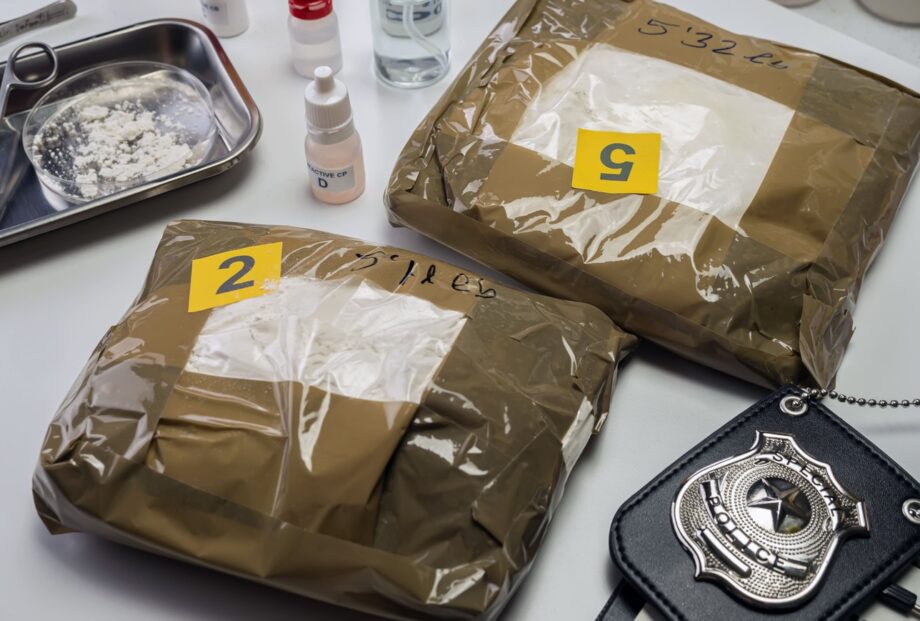
The difference between a drug possession charge and a distribution (or “manufacture or delivery”) charge in Texas isn’t just a matter of degree — it’s a fundamentally different legal case, with penalties that can differ by years or even decades of potential prison time. Understanding what actually separates the two, and what evidence prosecutors use to argue for the more serious charge, matters whether you’re trying to understand a charge you’re facing or trying to understand what a loved one is dealing with. This is exactly the kind of distinction a dallas drug charges attorney has to evaluate immediately in any new case.
The Texas Controlled Substances Act Framework
Texas classifies controlled substances into penalty groups (Penalty Group 1 through 4, plus separate categories for marijuana and other substances) under the Texas Controlled Substances Act (Texas Health and Safety Code Chapter 481). Penalty group placement, combined with quantity, largely determines the severity of both possession and distribution charges — a small quantity of a Penalty Group 1 substance (like cocaine or methamphetamine) can carry a more serious charge than a larger quantity of a lower-penalty-group substance.
What Makes a Charge “Possession”
Simple possession requires the state to prove:
- The defendant knowingly or intentionally possessed a controlled substance
- The substance falls within a specific quantity threshold that keeps the charge at the possession level rather than triggering a “possession with intent” or manufacturing/delivery charge
Possession charges scale with quantity — the same substance can be charged as anything from a state jail felony to a first-degree felony purely based on the amount involved, without any evidence of intent to sell or distribute.
What Makes a Charge “Manufacture or Delivery” (Distribution)
Texas doesn’t use the word “distribution” as a formal statutory term — the equivalent charge is manufacture or deliveryunder Texas Health and Safety Code § 481.112 (and related sections by penalty group). This requires the state to prove intent to manufacture or deliver, not merely possess. Critically, this charge doesn’t require an actual completed sale — intent to deliver is enough, even if no transaction ever took place.
What Evidence Prosecutors Use to Argue “Intent to Distribute”
This is where these cases are often actually won or lost. Since intent is a mental state and can’t be directly observed, prosecutors build a circumstantial case using indicators that Texas courts have recognized as relevant to intent, including:
- Quantity beyond what’s consistent with personal use — an amount substantially exceeding what a typical individual user would possess
- Packaging — individually wrapped or divided portions (baggies, small containers) rather than a single bulk quantity
- Scales or other paraphernalia associated with weighing or dividing product for sale, rather than paraphernalia associated with personal consumption
- Large amounts of cash, particularly in smaller denominations consistent with individual transactions
- Text messages or communications referencing sales, prices, or transactions
- Lack of personal-use paraphernalia — the absence of items typically associated with using the substance, which can undercut a personal-use explanation
- Multiple cell phones, sometimes used to argue separation of “business” communications
No single factor is automatically dispositive — prosecutors typically build a case from a combination of these, and defense strategy often involves challenging whether the totality of the evidence actually supports intent versus a more innocent explanation for any individual factor.
Penalty Differences: Why This Distinction Matters So Much
The penalty gap between possession and manufacture/delivery charges, even for the same substance and similar quantities, can be substantial:
- Possession charges are generally punished less severely than manufacture/delivery charges for a comparable quantity of the same substance
- Manufacture/delivery charges often carry mandatory minimum considerations and significantly higher maximum sentences
- A manufacture/delivery conviction can carry more severe collateral consequences, including federal sentencing considerations if the case also involves federal charges, and more significant immigration consequences for non-citizens
This is why prosecutors sometimes initially charge at the higher level even in cases where the ultimate evidence may only support possession — making early legal representation important in shaping how the case develops, not just how it’s ultimately defended at trial.
Can a Distribution Charge Be Reduced to Possession?
In some cases, yes — through negotiation, or by successfully challenging the specific evidence prosecutors are relying on to argue intent. If the quantity, packaging, and other circumstantial evidence don’t clearly support intent to distribute, there may be a legitimate basis to argue the charge should be possession only, which can significantly change sentencing exposure.
Common Defense Strategies
Challenging the search or seizure
If the substance was found through an unlawful search — without a valid warrant or an applicable exception to the warrant requirement — evidence may be suppressed, which can significantly weaken or eliminate the state’s case regardless of what was found.
Challenging possession itself
In cases involving shared spaces (vehicles, apartments with multiple residents), establishing that the substance actually belonged to and was possessed by the defendant, rather than someone else with access to the same space, can be a central issue.
Challenging the intent evidence specifically
Even when possession is clear, contesting whether the quantity, packaging, or other circumstantial factors actually support intent to distribute — as opposed to a larger personal-use quantity or a reasonable alternative explanation — is often the core battleground in these cases.
Lab testing and substance identification
Confirming that what was seized was actually tested and correctly identified as the specific controlled substance charged, and in the specific quantity alleged, is a foundational issue in any drug case.
Talk to a Dallas Drug Charges Attorney
The difference between a possession charge and a manufacture/delivery charge often comes down to how circumstantial evidence gets interpreted — and that interpretation can be challenged. If you or someone you know is facing a drug charge in the Dallas area, talk to a dallas drug charges attorney as early as possible, since the initial evidence review often shapes how the entire case unfolds.
This article is for informational purposes and does not constitute legal advice. Every case is different — contact our office to discuss the specific facts of your situation.