
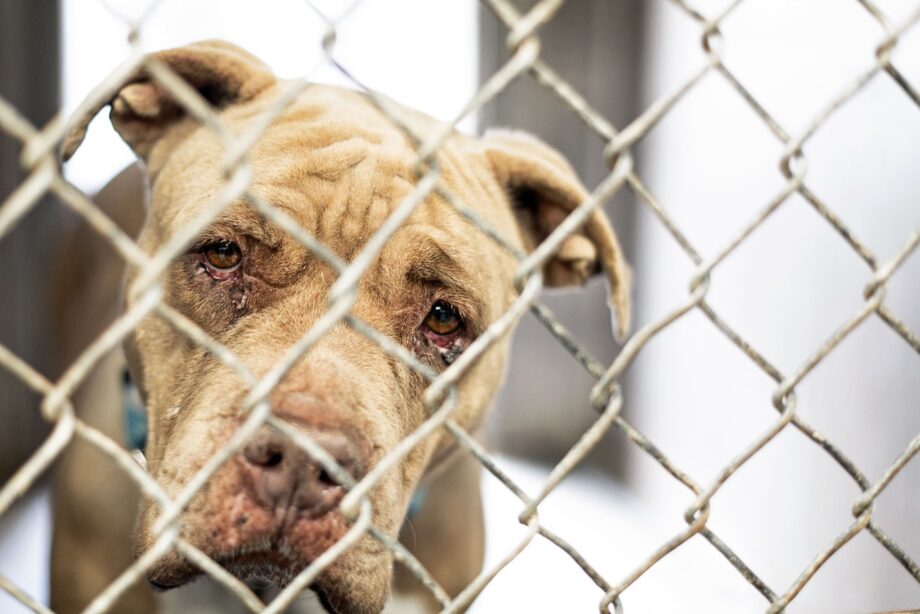
Texas does not have a strict-liability dog bite statute the way many other states do. Instead, Texas follows a common-law framework often called the “one-bite rule” — though the name is somewhat misleading, since liability doesn’t strictly require a prior bite. This page explains how that rule works, what Texas Health & Safety Code Chapter 822 adds on top of it, and what options exist after a dog bite in Dallas.
Texas’s “One-Bite Rule”: Two Paths to Liability
The controlling Texas case is Marshall v. Ranne, 511 S.W.2d 255 (Tex. 1974), which established that a dog owner can be held liable for injuries under two distinct legal theories:
1. Strict liability (known dangerous propensity). If the owner knew, or should have known, that the dog had dangerous tendencies — because of a prior bite, documented aggression, or similar warning signs — the owner can be held strictly liable. Under this path, the injured person generally doesn’t need to prove the owner was careless on the specific occasion of the bite; the owner’s prior knowledge of the dog’s dangerous nature does the work instead.
2. Ordinary negligence. Even without any prior history of aggression, an owner can still be liable if their own carelessness caused the bite — for example, leaving a gate unsecured, ignoring a broken fence, allowing the dog to roam, or violating a local leash ordinance (a violation of a local ordinance can support a claim of negligence per se).
Texas has no single statewide leash law — leash and animal-control requirements are set at the city or county level, so Dallas’s local ordinances matter for the negligence path.
Texas Health & Safety Code Chapter 822: Dangerous Dogs
Separate from the common-law framework, Texas Health & Safety Code Chapter 822 creates a formal “dangerous dog” classification process and imposes registration, secure-enclosure, and liability-insurance requirements once a dog is officially designated dangerous. If an owner lets a dog that’s already been classified as dangerous roam without following these containment requirements, that violation can support liability without the injured person having to separately re-prove the dog’s dangerous propensity.
Lillian’s Law — codified at Tex. Health & Safety Code § 822.005 — goes further and creates criminal penalties when a dog owner, acting with criminal negligence, fails to secure a dog that then causes serious bodily injury (defined at § 822.001 as an injury typically requiring hospitalization or surgery) or death in an unprovoked attack outside the owner’s property.
Comparative Fault and Strict Liability Cases
Under ordinary Texas negligence law, a plaintiff’s own percentage of fault can reduce their recovery. However, when a case proceeds under the strict-liability path from Marshall v. Ranne (the owner knew or should have known the dog was dangerous), comparative-fault principles generally don’t reduce the victim’s recovery the same way — since the claim isn’t built on the owner’s negligence on that specific day, but on their prior knowledge of the dog’s dangerous nature.
What To Do After a Dog Bite in Dallas
- Seek medical attention — dog bites carry meaningful infection risk even when they look minor at first.
- Get the dog owner’s name and contact information, and note whether the dog has a known bite or aggression history if that information is available.
- Photograph the injury, the location, and anything relevant to how the dog escaped containment (a broken fence, an open gate).
- Report the bite to Dallas Animal Services or the relevant local animal control authority — this creates an official record and can trigger a dangerous-dog classification process under Chapter 822 if warranted.
- Get contact information from any witnesses.
- Consult a Texas attorney — Texas’s two-year statute of limitations under Civil Practice & Remedies Code § 16.003 applies to dog bite injury claims the same as other personal injury cases.
Related Personal Injury Topics
- Personal Injury in Dallas — general overview of compensation and claims process
- Car Accidents in Dallas — a useful comparison for how Texas’s comparative negligence rules generally work outside strict-liability cases
- Wrongful Death Claims in Texas — relevant in the rare case of a fatal dog attack
Frequently Asked Questions
Does the dog need to have bitten someone before for the owner to be liable?
Not necessarily. Under Marshall v. Ranne, prior aggression is one path to strict liability, but an owner can also be liable under ordinary negligence — for example, if they let the dog roam through a broken fence — even with no prior bite history.
What is “Lillian’s Law” in Texas?
It’s the common name for Texas Health & Safety Code § 822.005, which creates criminal penalties when an owner’s criminal negligence in failing to secure a dog leads to an unprovoked attack causing serious bodily injury or death.
Can I still recover if I was partly at fault, like accidentally provoking the dog?
It depends on which legal path applies. Under ordinary negligence, Texas comparative-fault rules can reduce your recovery based on your percentage of fault. Under the strict-liability path (owner knew the dog was dangerous), comparative fault generally doesn’t apply the same way.
Does Dallas have its own leash law?
Texas has no statewide leash law — leash and containment requirements are set locally. Dallas’s local animal control ordinances are relevant to whether an owner’s failure to leash or contain a dog supports a negligence claim.
How long do I have to file a dog bite claim in Texas?
The general two-year statute of limitations under Texas Civil Practice & Remedies Code § 16.003 applies, the same as other personal injury claims.
What if the dog has already been officially classified as “dangerous”?
Chapter 822 imposes registration, secure-enclosure, and liability-insurance requirements once a dog is classified dangerous. A violation of those requirements can support liability separately from the common-law one-bite framework.
The content on this page is intended for general informational purposes only and does not constitute legal advice. No attorney-client relationship is formed by reading this material. Laws vary by jurisdiction and change over time — consult a licensed Texas attorney for advice specific to your situation.